Ice skate profiling
The ultimate guide to unlocking speed & agility
In any ice sport, the difference between good and great lies in the details. While you focus on training, the secret to unlocking your next level of performance might be right under your feet. We’re talking about ice skate profiling, one of the most impactful adjustments you can make to your equipment.
This guide will walk you through everything you need to know about this game-changing technique-from what it is and why it’s crucial, to how you can find the perfect profile to match your unique style of play.
What is ice skate profiling?
Ice skate profiling (also known as contouring or rockering) is the art of shaping the skate blade’s surface that contacts the ice. It’s a precision process that grinds the blade to a specific shape, often using a combination of different radius, to optimize performance.
Profiling vs. sharpening: What’s the difference? Think of it this way: profiling creates the overall shape of the blade from heel to toe. Sharpening hones the two edges along that shape. Every new pair of skates comes with a generic factory profile. This one-size-fits-all shape isn’t optimized for you. A custom profile, however, is tailored to your body weight, skating style, and position, making it the foundation of elite performance.
The game-changing benefits of a custom skate profile
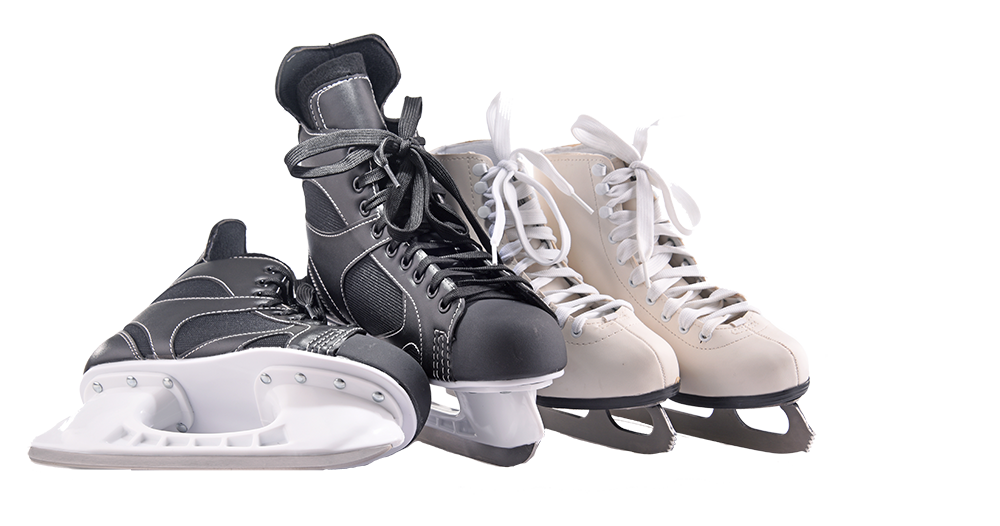
Why move away from the factory standard? Because a profile tailored to you can profoundly impact every aspect of your game.
- ✅ Explosive agility and speed: A well-chosen profile optimizes your blade’s ice contact for quicker cuts, sharper turns, and more powerful starts.
- ✅ Superior balance and stability: A custom profile provides a stable platform, giving you unshakable control whether you’re gliding at top speed or battling in the corners.
- ✅ Enhanced comfort and control: When your skates are shaped for your body, you’ll feel more connected to the ice, leading to more intuitive control and reduced foot fatigue.
- ✅ Reduced risk of injury: Proper alignment from a custom profile can help prevent common issues like shin splints or ankle problems by ensuring your body mechanics are correct.
- ✅ More powerful shots and passes: A stable base allows for more efficient energy transfer, resulting in harder, more accurate shots and passes.
The anatomy of a high-performance blade
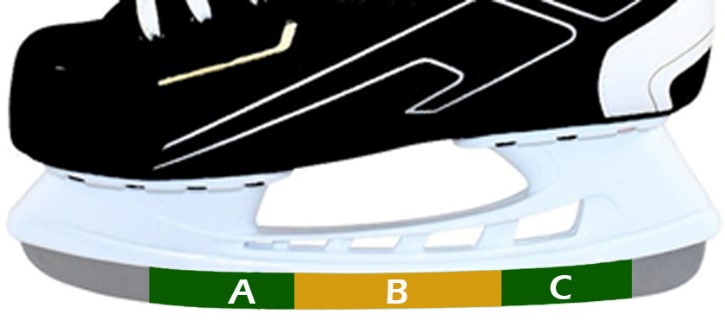
To understand profiling, you need to understand the blade. Each part serves a distinct purpose, and profiling fine-tunes how these sections work together.
- Front section (toe): your agility & acceleration zone This part of the blade is for digging in during crossovers and explosive first steps.
- Middle section: your glide & speed zone This section is for achieving maximum glide and top-end speed. A longer middle section means more speed but wider turns. A shorter middle section allows for tighter, more agile turns but sacrifices some glide efficiency.
- Rear section (heel): your stability & balance zone This part of the blade provides stability, especially during transitions and when absorbing contact.
Finding your stance: neutral vs. forward lean
Profiling also controls your skating position. By adjusting the blade’s pivot point, a technician can give you a neutral or forward-leaning stance.
- Neutral rocker (center profile): This balanced setup makes skating forward and backward feel equally smooth. It’s ideal for defensemen and two-way players.
- Forward lean profile (offensive rocker): This profile shifts your weight slightly forward, promoting a more aggressive stance. It’s perfect for offensive players who need quicker acceleration and faster puck handling.
Choosing your perfect profile: from single radius to pro-level setups
Skate profiles range from simple, consistent shapes to complex multi-radius designs for elite players.
- Single radius: The entire blade has one consistent curve. It offers a predictable, balanced feel and is a great starting point. The Parduc® RADIUS-series is a perfect example.
- Combination (Dual, Triple, or Quad) Radius: These advanced profiles use multiple radius across the blade to maximize the function of each zone. For example, a smaller radius at the toe for agility, a larger one in the middle for speed, and another at the heel for stability.
The Parduc® template series offers specialized multi-radius designs engineered for specific benefits:
- COUGAR -series: Single radius and flat glide surface
- EAGLE -series: Two radius
- FOX -series: Three radius (Forward lean)
- BEAR -series: Four radius (Forward lean)
- BADGER -series: Oval/ellipse, radius changes for the whole distance of the blade (Forward lean)How to choose the right skate profile for you
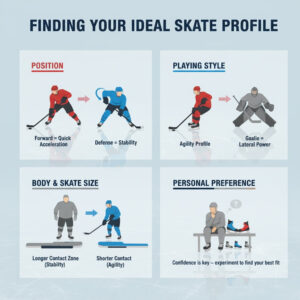
Finding your ideal profile depends on several key factors:
- Your position: A goal-scoring forward needs a different profile than a stay-at-home defenseman or a goalie needing lateral power.
- Your playing style: Are you a shifty player who relies on agility, or a powerful skater with a long stride? Your profile should enhance your natural strengths.
- Your body and skate size: A heavier player may need a profile with more ice contact for stability, while a smaller player may prefer one geared for agility.
- Personal preference: The ultimate test is how it feels. Don’t be afraid to experiment to find the setup that gives you the most confidence.
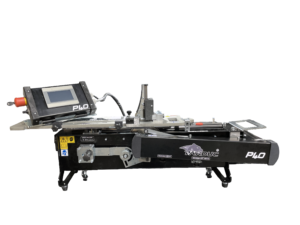
Achieving a perfect profile requires precision technology. The Parduc® P40 is an automatic profiling and sharpening machine that uses pre-shaped templates to guarantee exact, repeatable results every time. This eliminates human error and ensures you get the same perfect profile, whether you’re in your hometown or at a tournament.
The Parduc® system allows for ultimate customization, ensuring every skater-from youth hockey to the pros-gets a blade setup that is perfectly matched to their needs.
Skate profiling FAQ
Q: How often should I get my skates profiled? A: Most players benefit from profiling their skates 1-2 times per season to maintain the shape. However, if you skate multiple times a week, you may need it more often.
Q: Why shouldn’t I just use the factory profile on my new skates? A: Factory profiles are generic. Getting new skates profiled immediately is the single best way to tailor them to your body and playing style right from the start.
Q: What profile should I start with? A: If you’re new to profiling, starting with a single or dual-radius profile is a great way to feel the benefits without a drastic change. Consult with a knowledgeable ice hockey technician or equipment manager
Your edge is waiting
Skate profiling is not just a minor tweak-it’s the foundation of your performance. It’s a small investment that pays huge dividends in speed, power, and control. Stop letting a generic factory setting hold you back.
Unlock your true potential on the ice. Ask your local pro shop about a custom skate profile today.